

2026-07-22
DEEP RIVER AND DISTRICT HEALTH ADOPTS NATURALIZED LANDSCAPING STRATEGY TO SUPPORT HEALTH, BIODIVERSITY, AND SUSTAINABILITY
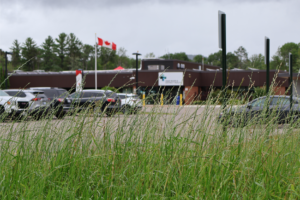
Visitors to the Deep River and District Health (DRDH) campus may notice something different this summer. Some grassy areas will be left to grow into naturalized meadows as part of a new landscaping approach that supports biodiversity, environmental stewardship, and healthier outdoor spaces for patients, residents, visitors, staff, and the community.
Rather than maintaining traditional manicured lawns, DRDH is intentionally creating naturalized meadow spaces using native plant species that reflect the surrounding landscape and provide habitat for pollinators and local wildlife.
The initiative is part of a long-term Naturalized Landscaping Strategy that will guide landscaping across new areas of the health campus, including the Primary Care Building, the future Four Seasons Lodge Long-Term Care Home, and other appropriate green spaces.
In addition to naturalized meadow areas, all new garden beds and landscaped spaces across the health campus will be designed using native plant species wherever appropriate. DRDH is working closely with the Deep River Horticultural Society and local horticultural experts to select plants that are naturally suited to the Upper Ottawa Valley, ensuring landscapes are resilient, environmentally responsible, and reflective of the region’s unique ecosystem. Native species provide critical habitat and food sources for pollinators, birds, and other wildlife, require less water and maintenance once established, and are better adapted to local climate conditions than many ornamental plantings.
“As a healthcare organization, we recognize that the health of our environment is closely connected to the health of our community,” said Janna Hotson, President and Chief Executive Officer of Deep River and District Health. “Naturalized landscapes create beautiful, calming outdoor spaces while supporting biodiversity and reducing our environmental footprint. This initiative reflects our commitment to building a healthier campus for generations to come.”
The strategy has been developed through partnerships with the Deep River Horticultural Society. The Four Seasons Conservancy and local horticultural experts, whose knowledge has helped shape a vision for a health campus that is both environmentally responsible and deeply connected to the natural beauty of the Ottawa Valley. Their expertise will continue to guide the selection of native species as new gardens and landscapes are developed across the campus.
Using native and native-adapted plant species offers significant environmental benefits. These plants require little to no irrigation once established, support pollinators and other wildlife, help preserve biodiversity, and reduce the spread of invasive species. They also create resilient landscapes that thrive in the local climate with minimal intervention.
Beyond environmental benefits, DRDH believes access to nature contributes to healing and well-being. Research continues to demonstrate that natural outdoor environments can reduce stress, promote recovery, and create moments of calm for patients, residents, families, team members, and visitors alike.
As the meadows become established, DRDH will maintain clearly defined walking paths throughout naturalized areas to support accessibility and safety. Educational signage will also be installed to explain the purpose of the meadows, highlight the native species found on campus, and share information about the important role these landscapes play in supporting healthy ecosystems.
The approach also reflects DRDH’s commitment to responsible stewardship of public resources. Once established, naturalized landscapes require significantly less mowing, fuel, irrigation, and ongoing maintenance than traditional lawns, allowing Building Services staff to redirect time toward other campus priorities while reducing the organization’s environmental impact.
The first phase of the strategy is now underway around the Primary Care Building, parking lot islands and front lawns, with additional naturalized landscaping planned as construction of the new Four Seasons Lodge Long-Term Care Home progresses.
By embracing naturalized landscaping, DRDH hopes to create a campus that not only supports exceptional healthcare but also reflects the natural environment and community it serves.